
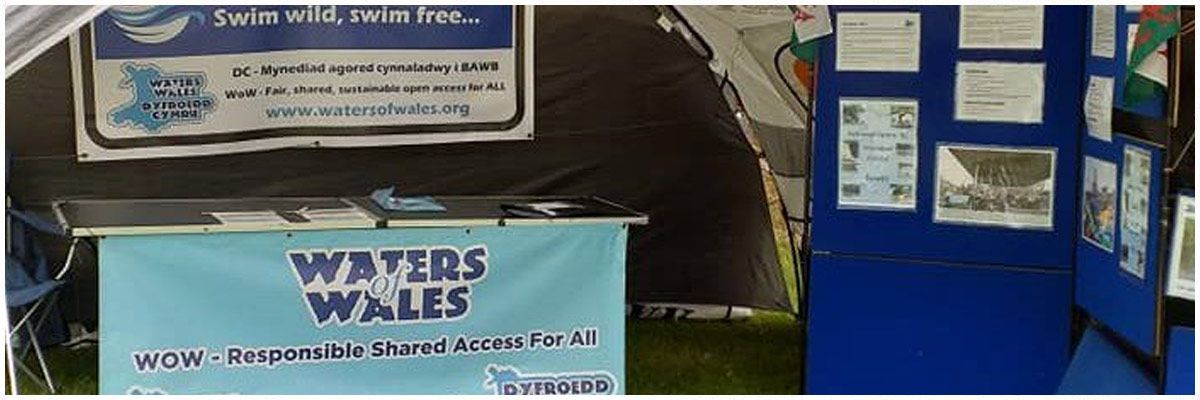
Our Campaigns
Waters of Wales
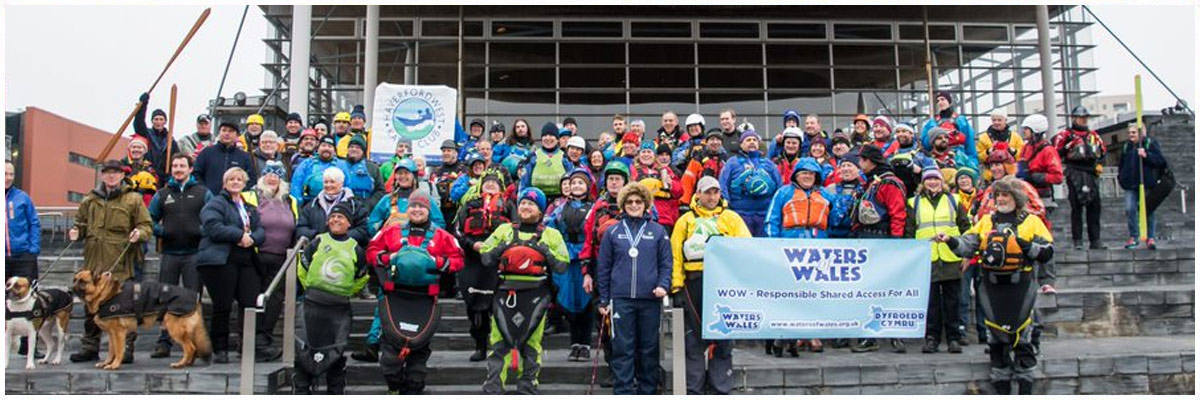
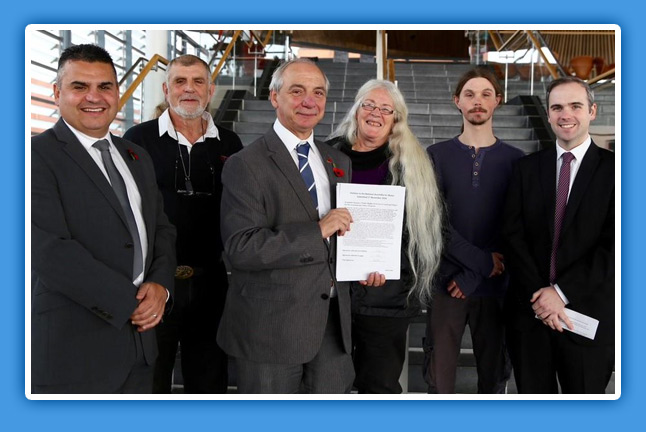
WoW Campaign to Senedd Cymru
For decades, inequalities and restrictions prevented many people in Britain from enjoying the benefits of recreation in, on or near water.
The CRoW Act 2000 was hailed as a ‘right to roam’; but proved inadequate to meet the needs of the public. Following devolution, Scotland resolved its issues with the Land Reform (Scotland) Act 2003. A campaign for similar legislation in Wales led to a public inquiry, following which a Welsh Assembly Petitions Committee press release in October 2009 stated:
The rivers of Wales are a natural ‘gift’ that everyone should have the right to enjoy… …Access should not be based on the vagaries of permissions bestowed or ability to pay, but on the fundaments of equity and social justice… …We believe there should be the right of non-motorised access to inland water in Wales as there is in Scotland.
However, by December Welsh Government had made a U-Turn; embarking on a lengthy and expensive programme, which arguably has made matters worse, to seek permissive access. In 2014, Welsh Government stated:
We do not plan to pursue primary legislation in this assembly term.
In 2014, Waters of Wales – WoW was formed to take the campaign forward.
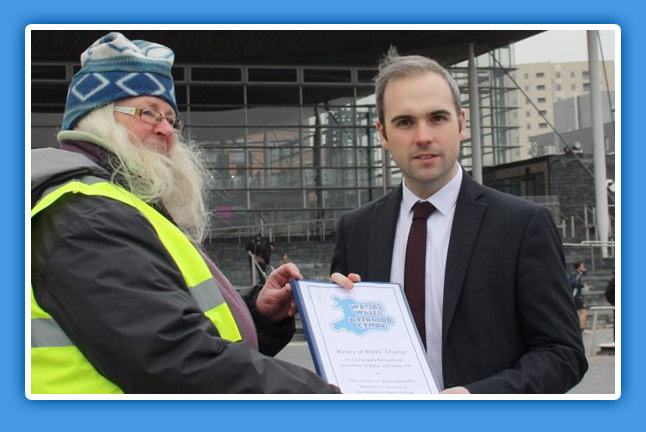
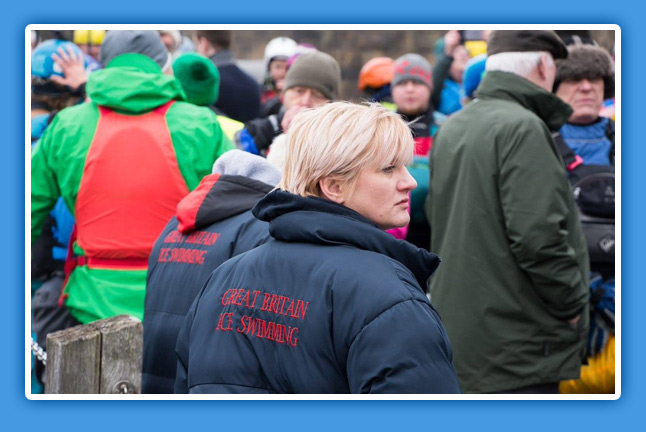
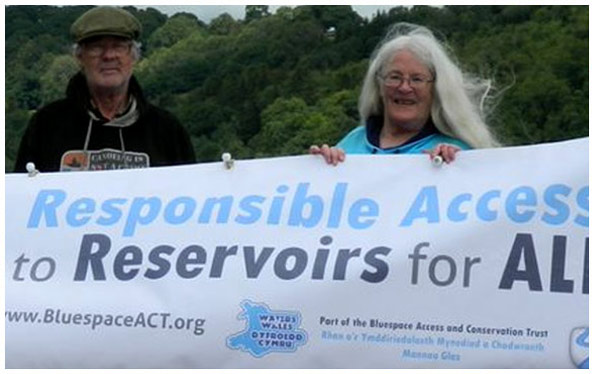
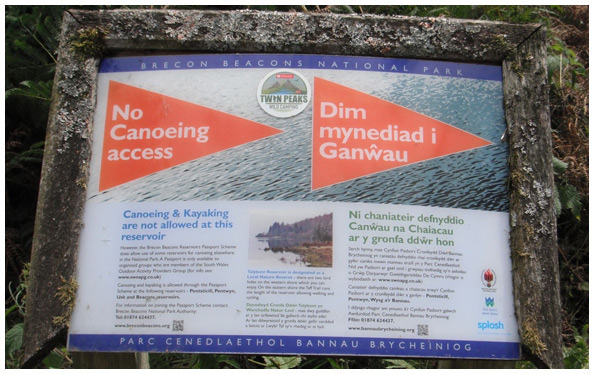
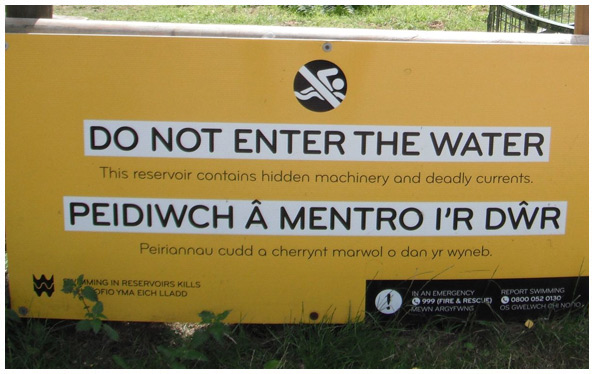
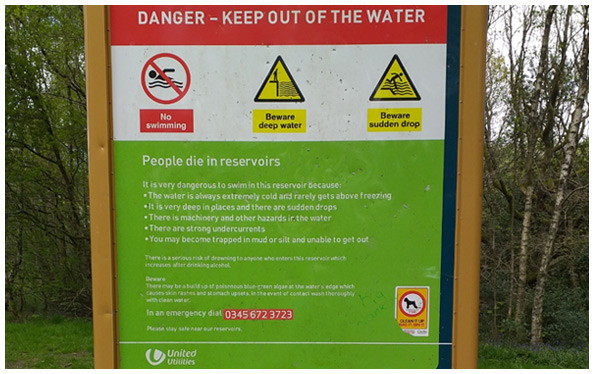
Bluespace Charter 2022
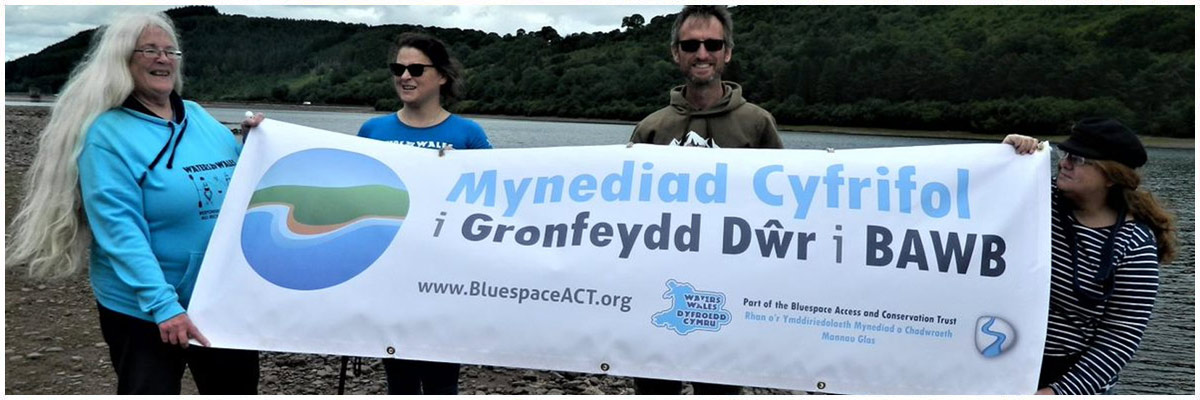
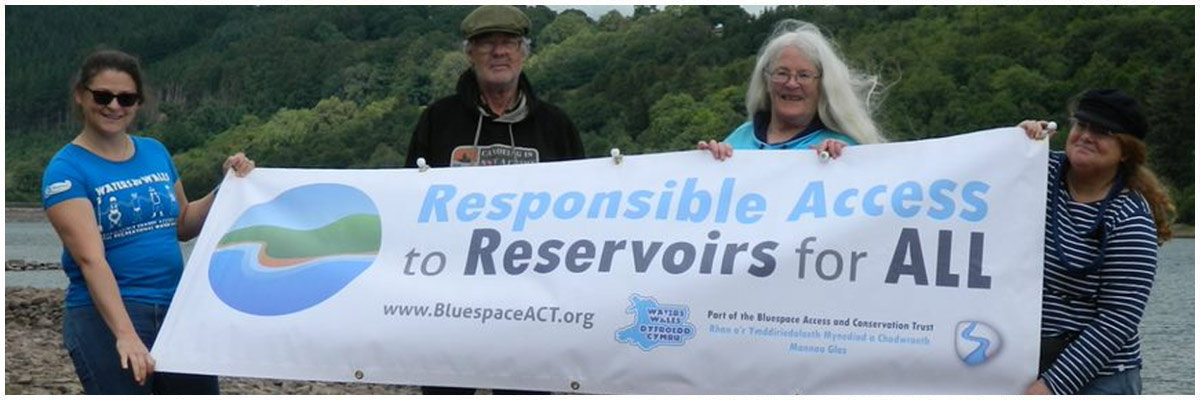
Bluespace Charter 2022 for Responsible Access to Reservoirs for ALL.
Background: In May 1989, thousands of people gathered near Rivington Reservoir to protest about privatization of the water industry; fearing that privatization would threaten public access to the land owned by the water companies.
History has shown the protestors’ fears to have been well-founded.
We believe that water companies are not acting in the spirit of the Water Industry Act:
…so long as that company has rights to the use of water or land associated with water, that those rights are exercised so as to ensure that the water or land is made available for recreational purposes and is so made available in the best manner.
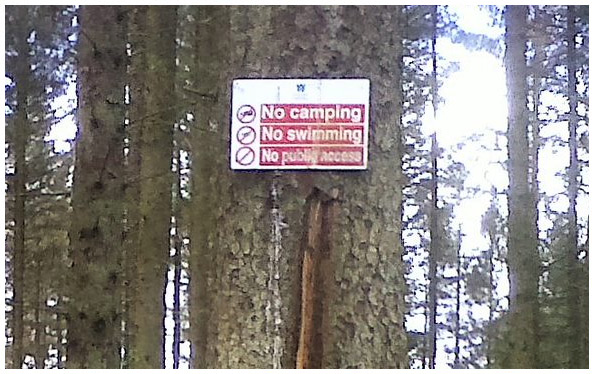
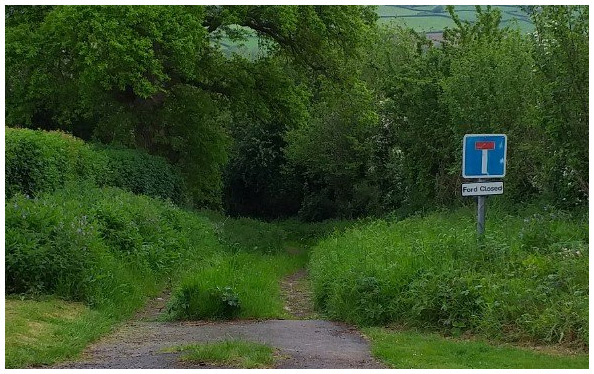
Rights of Way
Public Rights of Way, Roman Britain to 2026 and Beyond.
Landscape and society shaped, and were shaped by, paths, byways, and waterways; as we stroll down to the river, take a dip, wade across at a ford, or get into a boat, we follow in the footsteps of countless others who have, for centuries, taken the same path. Using these routes connects us with our history, sense of place, and of belonging. When we lose them, we lose part of our identity.
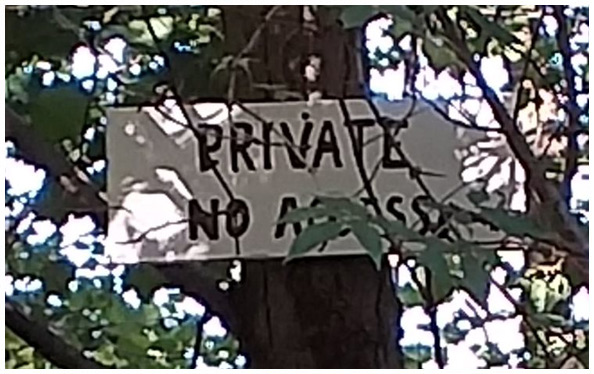
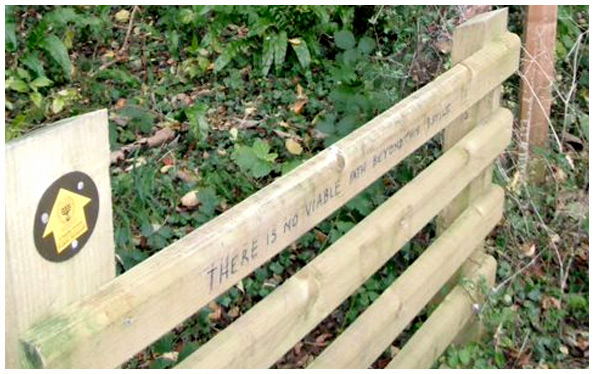
All too often, public rights are threatened by neglect, or deliberate attempts to dissuade users. The future of many existing public rights of way beyond 2026 is uncertain.
We are working, by a combination of fieldwork, training, and historical research, to identify, record and protect public rights of way on land; particularly those leading to or alongside water, and public rights of navigation.
Bluespace Manifesto
Keeping Access to Bluespace on the Political Agenda.
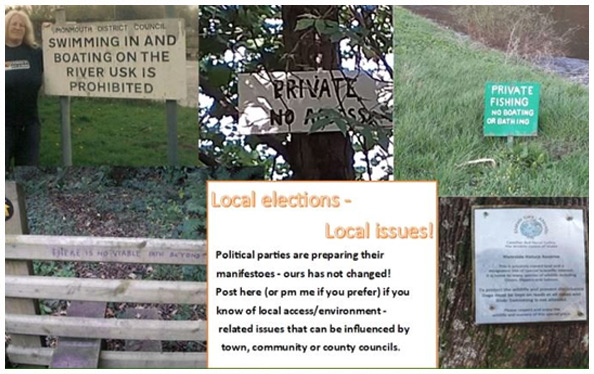
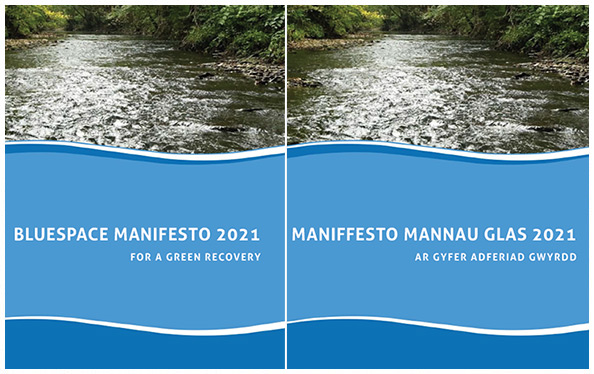
Our Bluespace Manifesto for a Green Recovery sets out the problem for all existing and aspiring politicians to see. It also sets out the actions which government at all levels can take to protect the bluespace environment, communities, and public health and wellbeing through access and positive engagement.
In addition to raising awareness with politicians, we engage with consultations, respond to planning applications, question where necessary, and highlight issues of importance to the bluespace environment and the public’s enjoyment of bluespace recreation.
Two countries: common issues
Regardless of the complexity of the legal situation, clearly the rivers and wider environment do not recognise national boundaries.
Our research into the issues that concern us take us back to Roman times, and beyond. Wales has been subject to English law for centuries, but following devolution, legislation in certain areas; including public access and environment, is the remit of Senedd Cymru.
While both countries face common problems; where legislation and/or political representation is part of the solution, it can be necessary to adopt separate approaches to campaigning in each country.
Some of our projects or campaigns, particularly when applicable solely in Wales, operate under the name of our founding group: Waters of Wales - WoW.

Bluespace Manifesto 2025
For People & Planet.
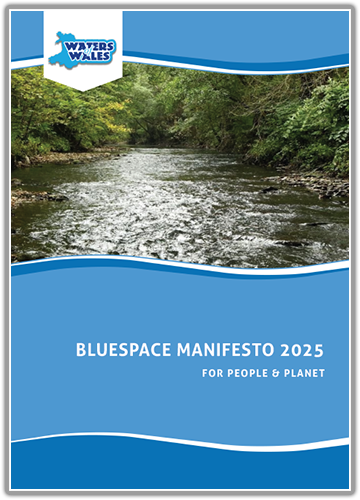
The English language version of the manifesto. Select the image to open the .pdf
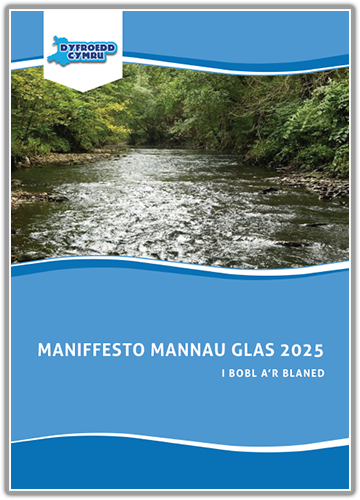
Fersiwn y maniffesto yn y Gymraeg. Dewiswch y ddelwedd i agor y .pdf
Bluespace Charter 2022
Bluespace Charter 2022 for Responsible Access to Reservoirs for ALL.

The English version of the Bluespace Charter. Select the image to open the .pdf
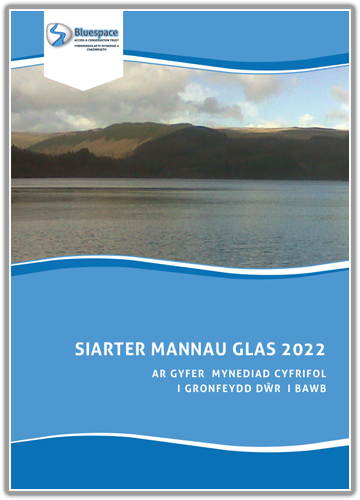
Fersiwn Gymraeg Siarter Bluespace. Dewiswch y ddelwedd i agor y .pdf
Bluespace Manifesto
Keeping Access to Bluespace on the Political Agenda.
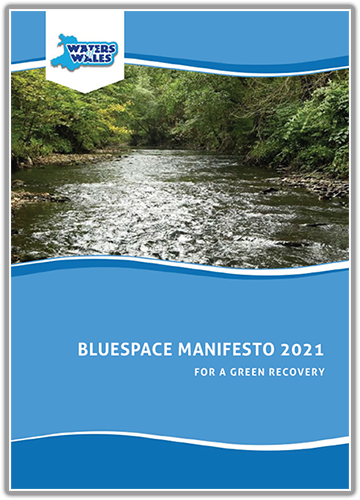
The English language version of the WOW manifesto. Select the image to open the .pdf
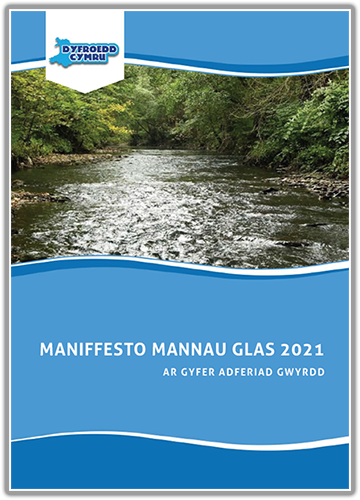
Y fersiwn Gymraeg o faniffesto Dyfroedd Cymru. Dewiswch y ddelwedd i agor y .pdf
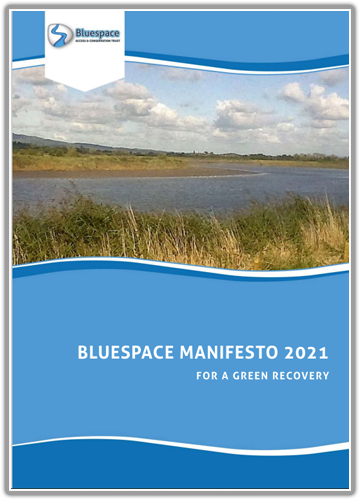
The manifesto for England. Select the image to open the .pdf